
The Main Grain
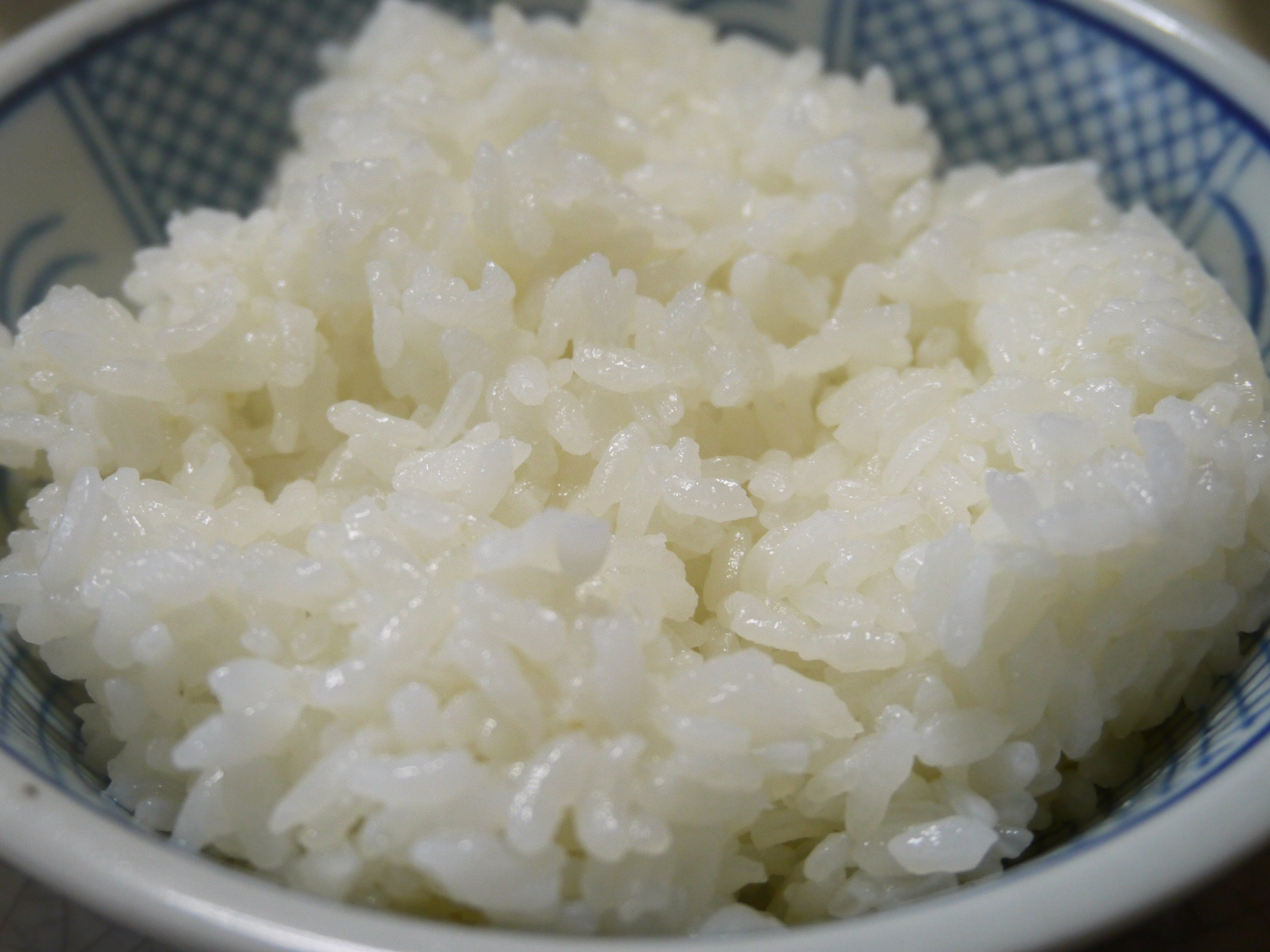
Rice has been around since before recorded time, often being associated with discoveries by ancient civilizations. Thousands of years (an estimated ten thousand) of evidence suggest that it has been cultivated for thousands of years; however, there are at least forty thousand types of rice that can be found all over the world except for Antarctica! One of the most interesting connections between rice and culture is the fact that sticky rice soup was even mixed into the mortar used to build the Great Wall of China! Rice yields much better than many other crops, producing a minimum of 3,000 grains per each plant produced from one seed. Rice has become very important in many cultures and represents many different things; for example, it represents fertility, wealth, and good luck at weddings or festivals.
- Jasmine
- Long-grain jasmine rice is primarily produced in Thailand and has a pleasantly fragrant and flowery scent of pandan or fresh popcorn when cooked. The grains of jasmine rice are soft and moist, allowing them to stick to one another for easy handling with chopsticks. Jasmine rice also has a creamy, slightly sweet flavor profile; as a result, it is commonly served with various traditional regionally popular dishes throughout Southeast Asia, including Thai curries, stir-fried foods, and grilled protein.
- Arborio
- Arborio is an Italian type of rice that comes from the area around Po Valley, Italy. Arborio rice has a high content of amylopectin starch (the starches found in long-grain rice will break down by evaporation), and thus, the cooking process for this type of rice yields moist and creamy outcomes. Known for its role in Risotto cooks across the globe, other uses include puddings and arancinia.
- Bomba
- Bomba rice is an exclusive short-grain kind from the east of Spain, and is considered the "king" of all varieties of rice when cooking traditional paella. The main reason for this distinction is that Bomba rice can absorb three times its volume of liquid without breaking and clumping together. This property make Bomba rice an excellent choice when trying to get the full flavor of broth and saffron into the rice. In addition to being able to absorb more liquid than Arborio, Bomba grains also retain their firmness and individual grain shape even after being cooked and are very important for making sure the texture of the paella is just right.
- Basmati
- Basmati is a long, thin-grain rice with a long cultivation history in the foothills of the Himalayas (between India and Pakistan). The "queen of grains" is celebrated for its unique nutty taste and strong aromas that become more pronounced during the cooking process. When making basmati rice, the grains will undergo dramatic (longitudinal) elongation in the cooking process, producing rice that is light and fluffy (with all three dimensions equal) with each grain separated from one another and not sticky at all.
- Sushi Rice
- Japanese short-grain rice is used to make sushi, a type of rice that has high starch content and is naturally very sticky. After cooking, sushi rice is flavored with vinegar, sugar, and salt to create a balanced flavor profile. Sushi rice's sticky nature makes it easy to shape into rolls or nigiri while still holding its shape.
- Brown
- Brown rice is a whole grain and does not have the bran or germ removed as in the case of white rice. Thus, brown rice retains both the outer layers (the bran) as well as the inner layer (the germ). The outer layers give brown rice a chewier texture as well as a deep nutty flavor which many people believe is more enjoyable than white rice. Because brown rice has more layers, it takes longer to cook, requires more water for cooking, but has considerably more fibre, vitamins and minerals.
- Yellow Rice
- Yellow rice is not a type of rice but rather refers to a dish made from long-grain rice seasoned with spices such as turmeric or saffron. Yellow rice is a traditional dish found in many different cultures around the world, including Spanish, Caribbean, and South African culinary traditions. Yellow rice is not only visually appealing due to its bright yellow color, but it also enhances the taste of food by complementing other ingredients, such as meat, seafood, or vegetables, usually cooked using flavor-enhancing aromatics (garlic and onions).